Daniel L Perret, PhD
Forest Ecologist & Spatial Scientist
Applied forest ecologist, biogeographer, and dendrochronologist specializing in climate change and disturbance impacts on North American forests. Currently a Forest Spatial Scientist with The Nature Conservancy, working with USFS and conservation partners to address global change challenges.
News & Updates
Thrilled to announce that our 2024 PNAS paper won the Mercer Award from the Ecological Society of America! More to come on this, but I am so grateful to my coauthors for their guidance and vision, and to ESA for the recognition!
I just began a new position with The Nature Conservancy, working out of the North America Region Conservation & Applied Science Team. I'll mostly be working with TNC and USFS scientists on projects related to wildfire smoke emissions and associated human health impacts.
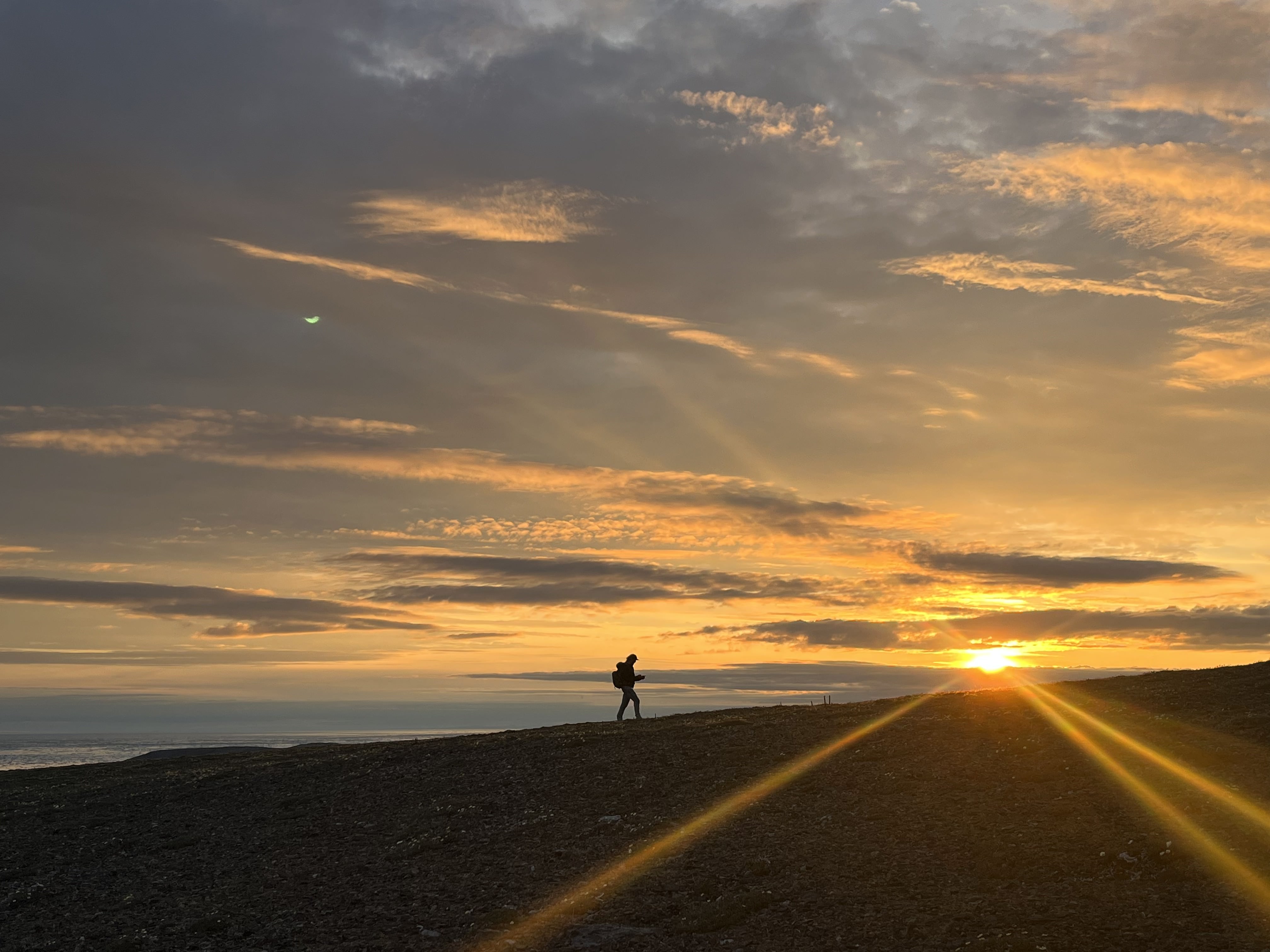
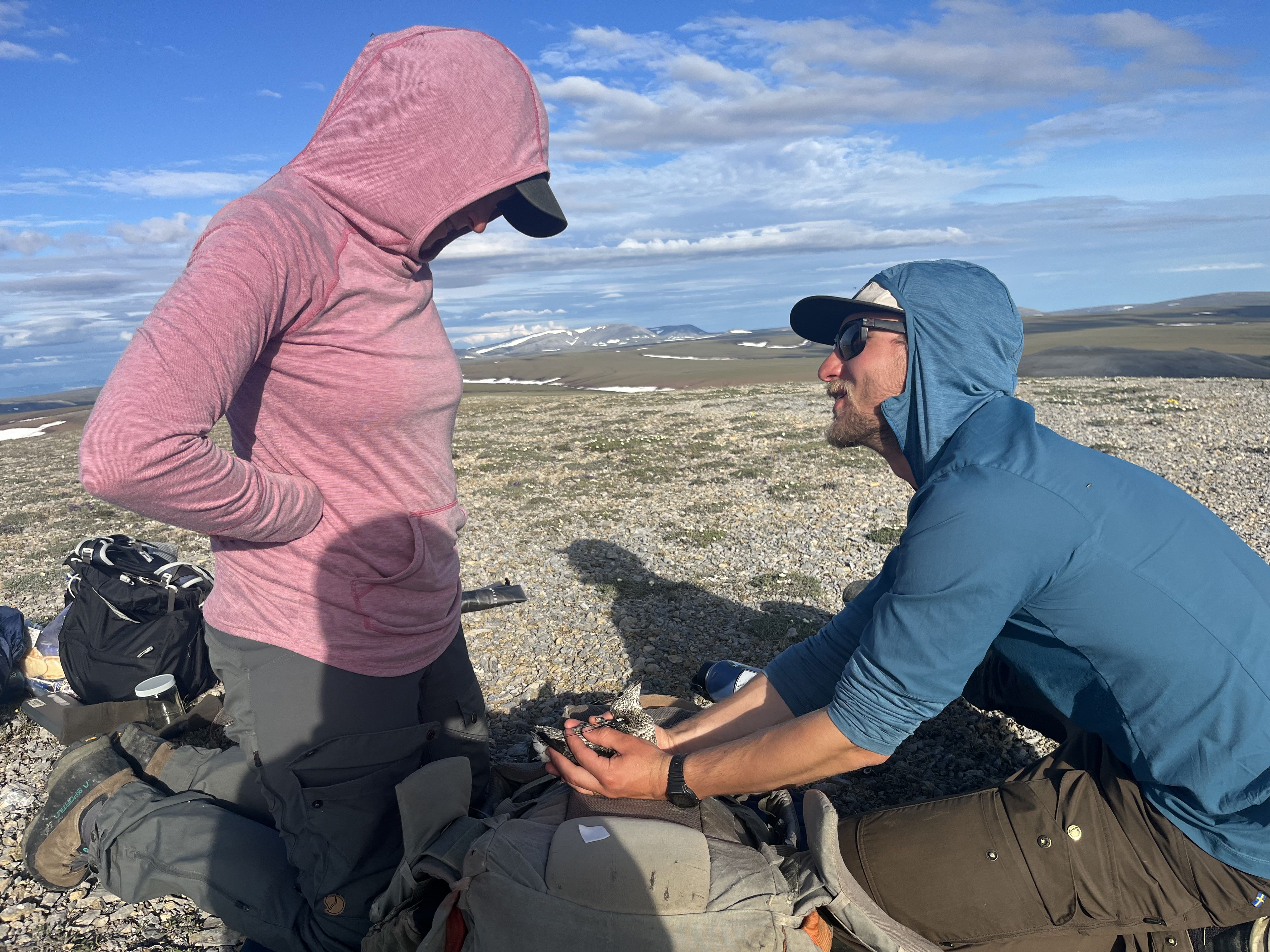
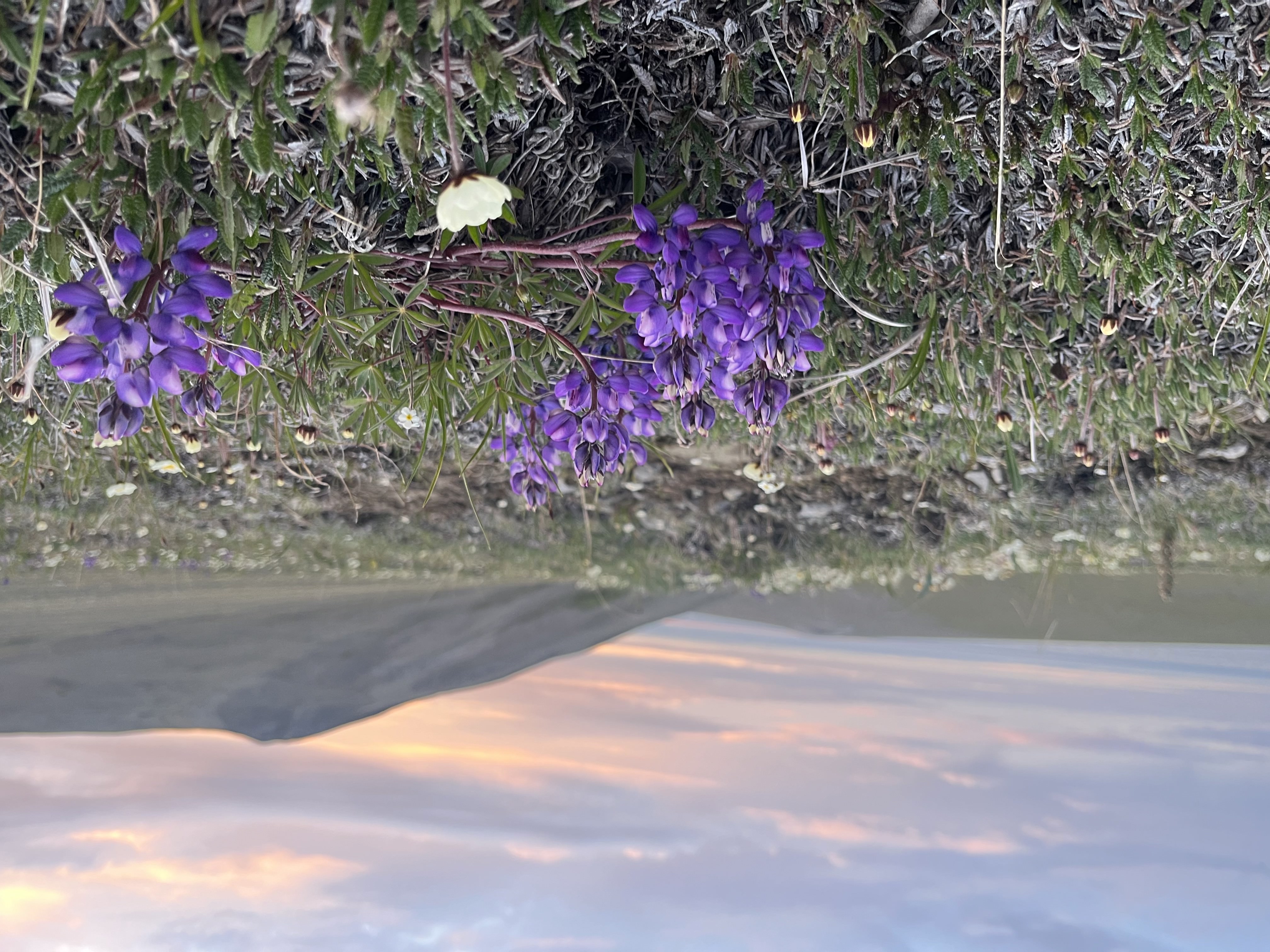
Grateful to have had the opportunity to help in the field on this project led by Michelle Kissling and Molly McDevitt. Working in Kakagrak National Monument out in NW Alaska was an unbelievable experience.
Several exciting developments to report. First, our paper published last year in PNAS was selected as a Finalist for the 2024 Cozzarelli Prize from the National Academy of Sciences.
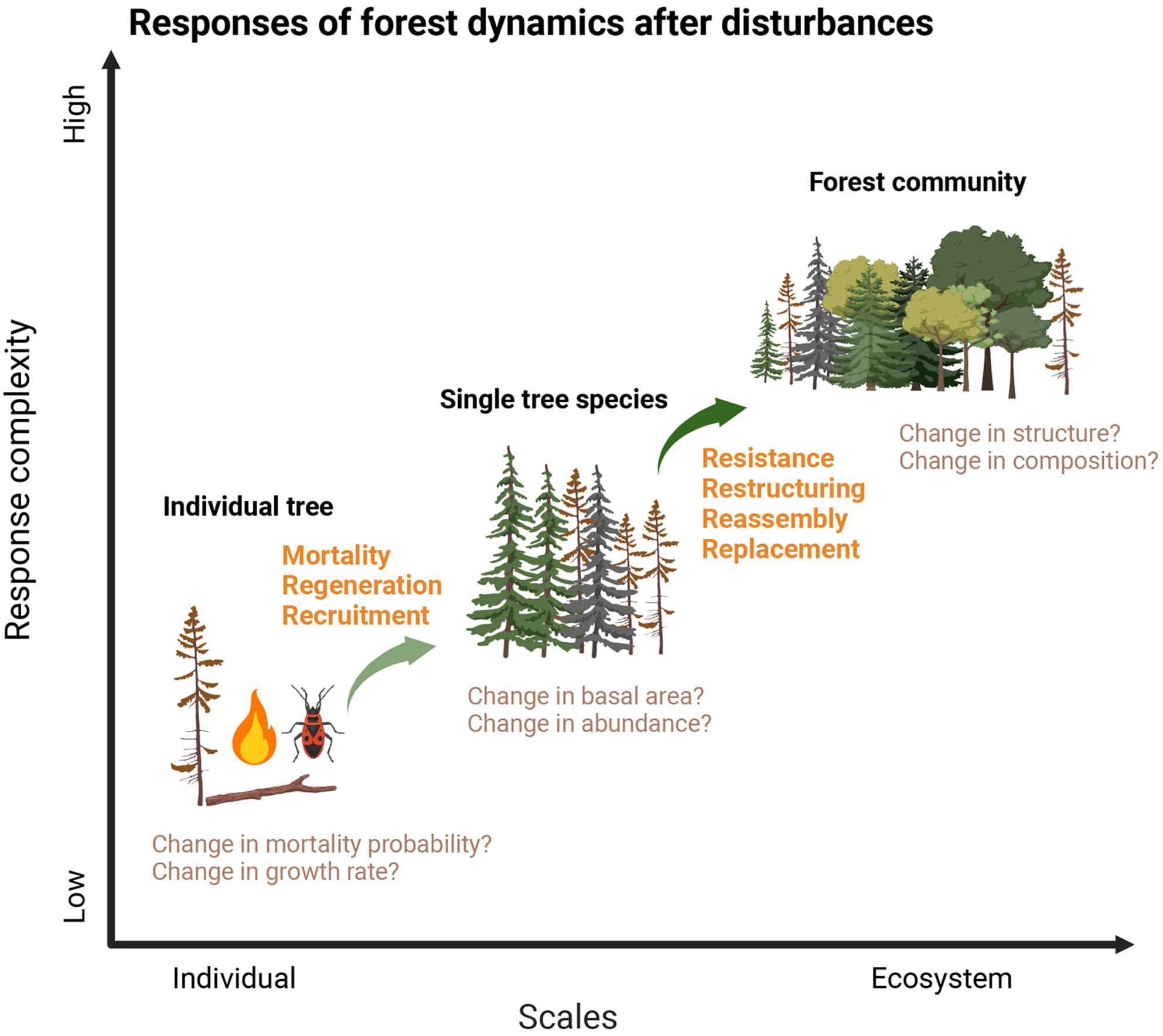
Second, a paper coauthored with Dave Bell and Harold Zald from the USFS Pacific Northwest Research Station came out in Global Change Biology. In this study, titled "Reducing fire severity and extent bolsters subalpine forest resilience to global change through key demographic pathways", we present a framework for bridging from individual tree responses to ecosystem-level reorganization trajectories. Check it out here.
Prof. Amy Angert at the University of British Columbia wrote an awesome commentary piece about our ponderosa paper that just came out here, titled "The space-for-time gambit fails a robust test".
Excited that my final dissertation chapter is out in the world. Check it out in PNAS. The data in this paper were collected almost five and a half years ago. This work contributes to moving the climate change biogeography field toward a more nuanced, temporally-informed approach.

Had a wonderful time in Portland at the 2023 ESA meeting. Materials from the "Intro to FIA for Ecologists" workshop can be found here, organized with Bailey McLaughlin, Jane Terzibashian, and Harold Zald.